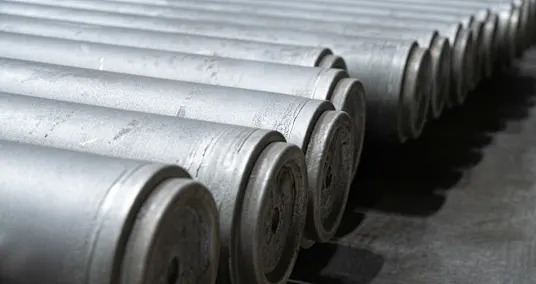
Fears of global aluminium shortages that could affect the production of clean energy technologies intensified after Iran struck two major Gulf aluminium producers, sending prices to a four-year high. The Middle East accounts for 9% of the world’s production of aluminum, which is essential to a wide range of industries from transportation, construction, and packaging, as well as the manufacture of solar panels, electrical transmission systems, wind turbines, and EVs.
Export shipments to the US and Europe had already come to a halt because of the effective closure of the Strait of Hormuz, and Morgan Stanley economists singled out aluminium as carrying a high level of risk across the value chain. Andy Farida, an aluminium analyst at Fastmarkets, told Semafor that high prices would be passed on to end-users, ultimately causing demand destruction. “A prolonged shutdown (with little to no alternative supplies other than Russia and China) could cripple the supply of aluminium to support the production of clean and green technology,” he said, adding that relief could come “if governments allow some sanctioned Russian and Chinese aluminium to be imported.”

LATEST POSTS
- 1
 Tanzania president remorseful over internet shutdown on election day
 - 2Russian drone slams into block of flats in deadly wave of strikes across Kyiv
- 3Robyn returns to music with 'Dopamine,' her 1st single in 7 years: 'Came to save music once again'
- 4Netanyahu expects Iran's leadership to fall
- 5An Excursion Through Renowned Western Network programs



- NASA, in a rare move, cuts space station mission short after an astronaut's medical issue
- IDF kills four terrorists equipped with weapons, surveillance gear near Gaza's Yellow Line
- US bishops officially ban gender-affirming care at Catholic hospitals
- Polar bears are rewiring their own genetics to survive a warming climate
- Sexual violence is being used as a weapon in Sudan's war, doctors group says
- Ocean side Objections: Staggering Waterfront Breaks
- Fundamental Monetary Guidance for Going into Business
- Ukrainian man arrested in Germany on suspicion of spying for Russia
- Figure out How to Analyze Medical attendant Compensation Patterns Across Different Specializations